cCarbon’s North American RNG Outlook 2035 provides a data-driven forecast of Renewable Natural Gas markets across the U.S. and Canada. Covering more than 600 projects, the report examines baseline and accelerated scenarios, feedstock utilization, end-use demand, and incentive generation capacity across compliance and voluntary programs. It highlights how policy frameworks, project economics, and infrastructure development are shaping RNG’s role in decarbonizing transport, thermal, and electricity sectors. This report provides data-driven forecasts and analyses enabling fuel producers, investors, and corporations to capitalize on expanding opportunities in Renewable Natural Gas.

Accelerating efforts towards decarbonization, the global aviation sector is witnessing a transformation through the adoption of Sustainable Aviation Fuel (SAF). Governments worldwide are enacting ambitious mandates and incentives aimed at stimulating SAF demand and production. This report leverages cCarbon’s 2030 SAF market forecasts and insights on regulatory trends, infrastructure development, and offtake agreements across major markets. We analyse the interplay between policy frameworks, market growth, and pricing dynamics, offering a deep dive into SAF’s pivotal role in reducing aviation greenhouse gas emissions and charting a pathway to net-zero air travel. This report provides data-driven forecasts and analyses enabling fuel producers, investors, and corporations to capitalize on expanding opportunities in Sustainable Aviation Fuel.

Renewable diesel, like biodiesel, is produced from renewable sources such as vegetable oils, animal fats, and cooking oil. However, it undergoes a hydrogenation process that chemically transforms it into a petroleum diesel equivalent, allowing for higher blending rates and transportation through existing pipeline infrastructure. Given the limitations on ethanol blending and the emerging technology for cellulosic fuels, renewable diesel is poised to dominate renewable fuel growth over the forecast period. Canada's renewable diesel market is growing, with new facilities being built and the federal government implementing regulations to reduce carbon intensity.

Sustainable aviation fuel (SAF) marks a significant shift for aviation. Unlike conventional jet fuels, SAF is derived from renewable sources like tallow, waste oils, and synthetic processes.

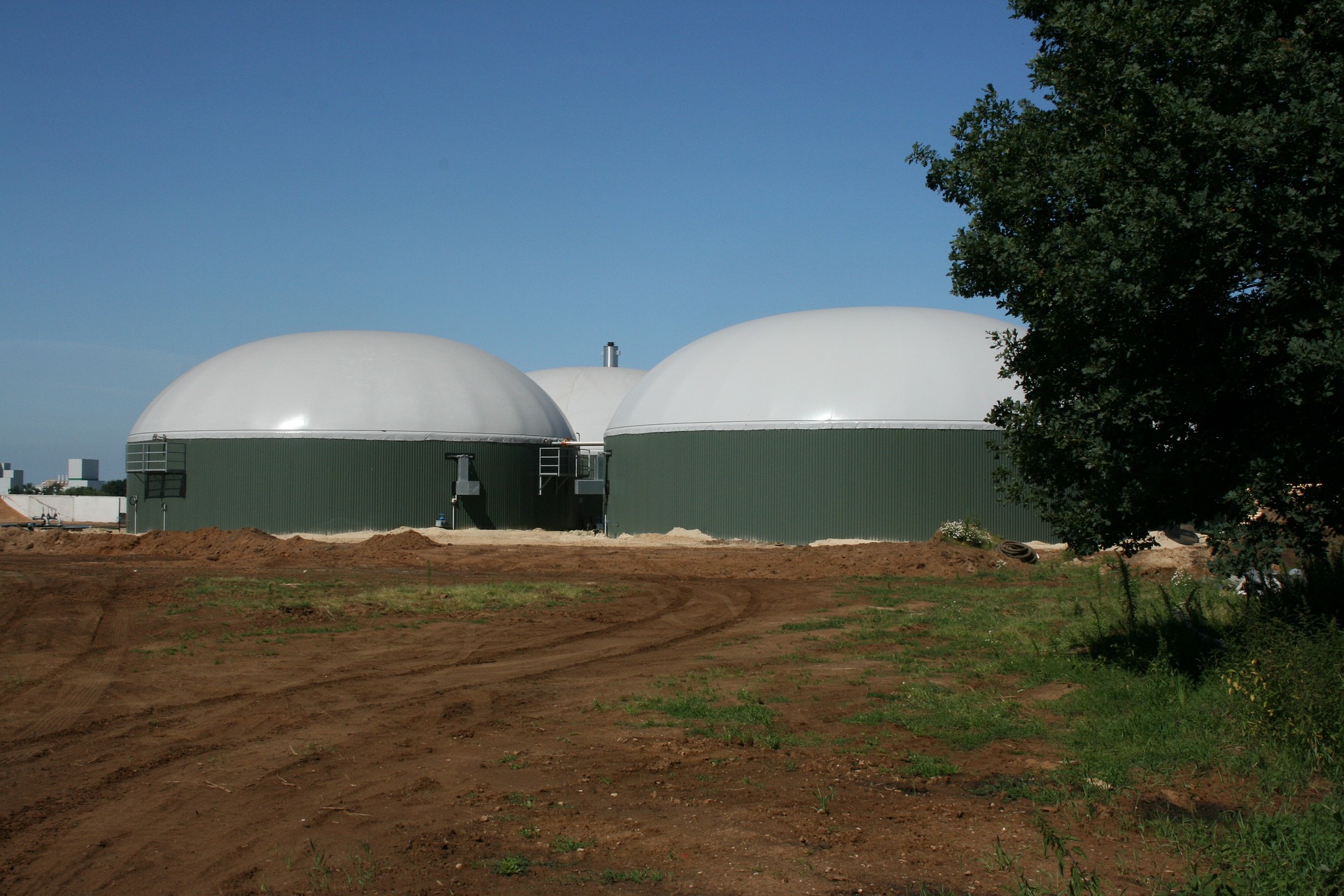
In recent years, the North American Renewable Natural Gas energy landscape has been undergoing a transformative shift towards sustainability and environmental responsibility. One of the key enablers in this transition is the Renewable Natural Gas (RNG) market, a sector that has gained significant momentum and attention across the continent. Renewable Natural Gas, also known as biomethane, is a renewable energy source derived from organic materials, such as agricultural waste, food waste, landfill wastes, and wastewater. It is a low-carbon alternative to traditional natural gas and holds the potential to significantly reduce greenhouse gas emissions while providing a reliable and sustainable energy source.

The North American market for renewable diesel is expected to experience remarkable growth, driven by supportive regulatory frameworks, increasing consumer demand for sustainable fuels, and a growing awareness of the need to combat climate change. As per our research, the North American renewable diesel consumption stood at 6.9 billion liters in 2022 and is projected to reach 27.3 billion liters by 2030.

Targeting the carbon intensity of fuels to reduce emissions from the transportation sector has led to the consideration of low-carbon fuels. The CA LCFS) Low Carbon Fuel Standard) is a mechanism that uses the life cycle carbon intensity of various fuel routes as a metric to cut emissions by 10%. Currently, the credit bank is at 11.70 MT. Tier 1 pathways are squeezing the other pathways, with a major credit increase from renewable diesel.

The Sustainable Aviation Fuel market size stood at US$1.1 billion in 2022, up from US$50 million in 2019 registering an annually compounded growth rate of 115.38%. As per cCarbon estimates, the market is expected to reach value of US$29.7 billion by 2030. The main driver of growth is the need to reduce Greenhouse gas (GHG) emissions.

Aviation accounts for approximately 2.4% of global COâ‚‚ emissions. In view of the current state of the global climate crisis, it becomes imperative to curb emissions. SAF is a biofuel which is chemically similar to conventional jet fuels and is one of the prominent solutions to decarbonize the aviation sector. It can be produced from renewable sources such as waste oils, municipal waste and non-food crops. With a carbon footprint much lower than conventional fossil fuels, SAF can help reduce COâ‚‚ emissions by up to 80%. With environmental regulations growing increasingly stringent across the globe, the demand for SAF is expected to pick up in the coming years. There are different technology pathways available for producing SAF. Currently, the ASTM D7566 lists seven approved pathways for the production of drop-in SAF. In addition, the ASTM D1655 lists two pathways for co-processing biomass-based feedstocks along with fossil fuels.

This report looks at carbon insights based key markets operating in North America: California's Low Carbon Fuel Standard, the Oregon Clean Fuel Program (CFP) and the British Columbia Low Carbon Fuel Standard (BC-LCFS), a term used interchangeably with the Renewable and Low Carbon Fuel Requirements Regulation (RL-CFRR). There are two other markets that are in the pipeline for development: the Transportation and Climate Initiative-Program (TCI-P) (a collaboration between North-eastern and Mid-Atlantic US) and the Canada Clean Fuel Standard (CFS), also known as the Clean Fuel Regulations (CFR). The report examines the current state and outlook for these markets, the credits that are/ will be required, and the economics behind them.


Our market portals and InSights are only for logged-in users with the relevant access. This can be you too…

Your Current Membership Does not Include this Content
This content is outside of your current package. If you need this too, let’s talk…
Send this problem to our Clients team, and we will get back to you shortly with a plan of attack.
Speak and exchange notes with our specific-market expert, use your complimentary hours.
Arrange with Client TeamTell us who you are, and what you're after. We'll find you the right person with the answer - before you wake up twice.
Tell us who you are, and what you're after. We'll find you the right person with the answer - before you wake up twice.
Your name and email in exchange for staying up to date across the world's environmental markets... what a deal?!
Your Current Membership Does not Include this Content
This content is outside of your current package.
If you need this too, let's talk…
Phasellus tempor tincidunt sem, sed dictum ipsum mollis vitae. Maecenas eu diam convallis, pellentesque lacus et, mollis enim.
| ID # | Custom Name | Created On | ||
|---|---|---|---|---|
Phasellus tempor tincidunt sem, sed dictum ipsum mollis vitae. Maecenas eu diam convallis, pellentesque lacus et, mollis enim.
| # ID | Custom Name | Created On | ||
|---|---|---|---|---|